Programme Overview

Creating Pathways for Economic Independence

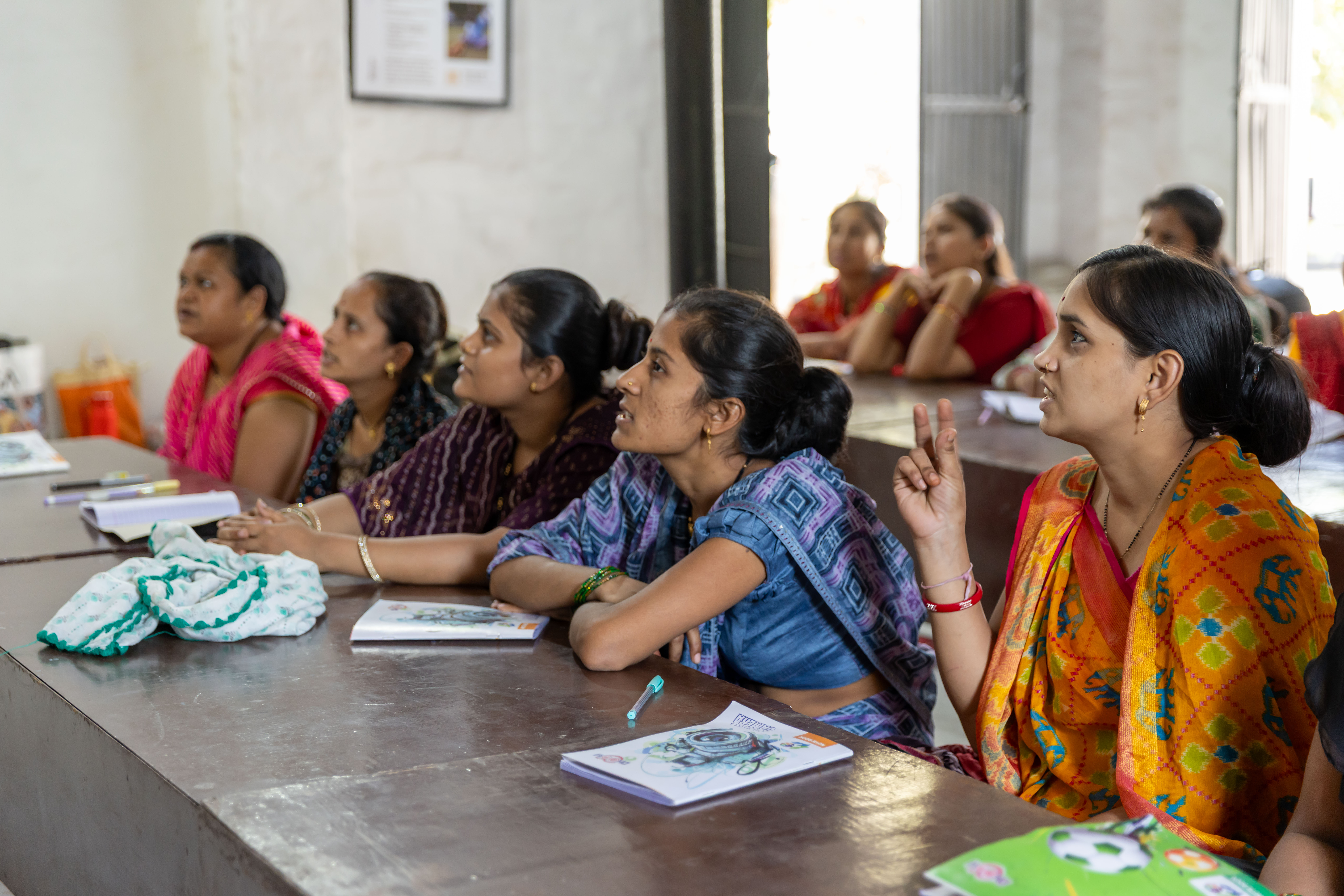
The Certificate in Foundational Weaving Skills (CSTU) is The Handloom School’s Level 1 skill-development programme focused on empowering unskilled women and first-generation learners through foundational handloom weaving training and livelihood support. Designed especially for women from marginalized and non-weaving backgrounds, the programme creates pathways for economic independence, dignified employment, and long-term engagement with the handloom sector.

CSTU responds to the growing need for sustainable rural livelihoods by equipping participants with practical weaving skills, basic production knowledge, and exposure to the handloom ecosystem. Alongside technical training, the programme provides mentorship, stipends, and opportunities to work with local master weavers and enterprises, enabling women to contribute meaningfully to household incomes while balancing family responsibilities.

As a foundational programme within THS’s three-tier learning model, CSTU serves as an entry point into the world of handloom weaving, creating opportunities for participants to progress towards advanced training in design, entrepreneurship, and enterprise development through programmes such as CDEM and Alumni Incubation.
Weaving Training
Level 1

Skill Development

Global Impact

Alignment with UN Sustainable Development Goals (SDGs)

The Handloom School’s initiatives in skill development, women’s empowerment, entrepreneurship, and rural livelihood generation align closely with key United Nations Sustainable Development Goals (SDGs), including:

3

Good Health and Well-being

5

Gender Equality

8

Decent Work and Economic Growth

10

Reduced Inequalities

17

Partnerships for the Goals

Case Study:
WomenWeave's Journey

WomenWeave Journey

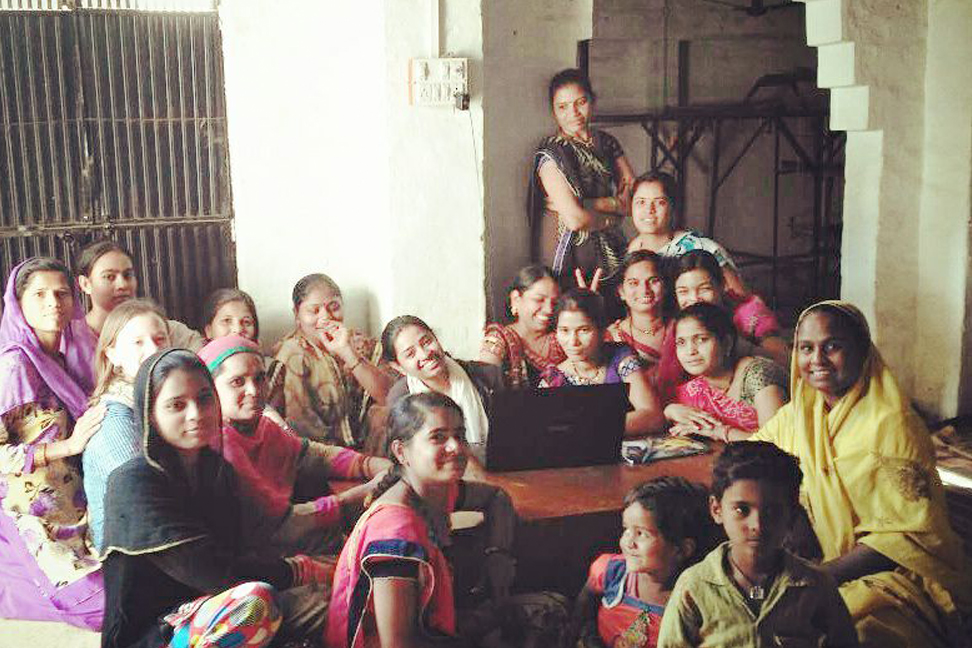
WomenWeave’s journey in artisan empowerment began in 2008 with a pioneering initiative in Maheshwar aimed at creating sustainable livelihood opportunities for women through handloom weaving. Starting with a small training programme for eight women in Etawdi village, the initiative gradually evolved into a thriving community-based weaving ecosystem engaging nearly thirty women in weaving, spinning, winding, and other pre-loom processes. Over the years, the centre has generated significant economic impact while creating dignified and long-term employment opportunities for rural women.

Building on this experience, WomenWeave expanded its interventions to Dindori in 2010 to revive dormant handloom traditions and later to Balaghat in 2015, supporting vulnerable weaving communities through skill development, raw material support, and market linkages. Today, nearly 500 artisans have been trained or upskilled through these initiatives, with around 250 artisans engaged in regular livelihood opportunities through social enterprises and artisan-led production systems supported by WomenWeave.

Drawing from these learnings, The Handloom School formally launched the (CSTU) programme in 2022 to empower unskilled women and first-generation learners through structured handloom training. The programme has since expanded through village-based and hybrid learning models aimed at creating decentralized weaving ecosystems, strengthening local livelihoods, and ensuring the long-term sustainability of handloom traditions. THS has also extended its impact internationally through collaborations such as its partnership with the Maldives Authentic Crafts Cooperative Society (MACCS) to support the revival of traditional textile practices through handloom training and knowledge exchange.

Who is it for?

Selection Criteria

The CSTU programme is designed to create livelihood opportunities for women from marginalized and underserved communities through foundational handloom weaving training. The programme prioritizes individuals who demonstrate a strong willingness to learn and build sustainable livelihoods through craft-based work.

Priority is given to:

  • Women from economically vulnerable backgrounds, including widows, separated women, or low-income households
  • Women between the ages of 25–35 years
  • First-generation learners with no prior weaving experience
  • Participants with basic primary education
  • Women with the possibility of setting up a loom-based livelihood activity within or near their homes
Our Impact

Empowerment in Numbers

Artisans Trained & Upskilled 500+
Regular Livelihood Opportunities 250+
2008
2010
2015
2022
Today

Growth trajectory of artisans trained over the years

What they learn

CSTU Curriculum

Pre-Loom Processes

Introduction to fibres, yarns, winding, warping, drafting, denting, and loom preparation techniques.

On-Loom Processes

Foundational handloom weaving skills including loom operation, plain weave development, tension management, and basic troubleshooting.

Post-Loom Processes

Fabric finishing, quality checking, washing, ironing, stitching, packaging, and product preparation for market use.

English Communication

Practical English for workplace communication, customer interaction, and basic written communication.

Costing & Financial Literacy

Understanding product costing, savings, budgeting, income management, and financial decision-making.

Use of Basic Technology

Training in smartphone usage, digital payments, WhatsApp communication, photography, and basic social media tools.

Gender & Empowerment

Building confidence, leadership, financial independence, workplace dignity, and awareness of rights and opportunities.

Workplace Readiness

Learning discipline, teamwork, hygiene, safety, responsibility, and professional conduct in production environments.

"The CSTU programme is a foundational Level 1 training initiative designed to empower unskilled women and first-generation learners. Through hands-on learning and continuous practice, participants gain the confidence and capability to engage in weaving-based livelihoods, taking their first step toward becoming independent artisans within the handloom sector."